

America gets its energy from a mix of sources, and a growing share comes from renewable energy technologies. That’s exactly the way most Americans want it.
Homegrown renewable energy accounted for about a quarter of all U.S. energy generation in 2024, and it made up the vast majority of new energy production that came online last year. In red states and blue, domestic energy generation from wind, solar, hydropower and geothermal is now a fundamental part of our national energy mix and an important component of any drive toward U.S. energy independence.
Step outside of the D.C. political maelstrom and it becomes clear that the narrow view that Republicans favor only fossil fuels and Democrats support only renewables is a fiction. Two thirds of all Americans support expanding wind, solar and hydrogen production, including 67 percent of Republican adults under 30 years old, according to one recent survey.
The Inflation Reduction Act (IRA) of 2022 ushered in numerous tax credits meant to boost renewable energy production and grow the clean energy manufacturing sector in America, and that’s exactly what it has done. According to an analysis by E2, a business group, more than 150,000 jobs were created by clean energy companies in 2023 alone, a surge attributed to new investments spurred by the IRA.
When 18 House Republicans wrote to Speaker Mike Johnson last year about the future of the Inflation Reduction Act (IRA), they were clear about the benefits of the law’s clean energy tax incentives. “Energy tax credits have spurred innovation, incentivized investment, and created good jobs in many parts of the country – including many districts represented by members of our conference,” they said. The group cautioned against a wholesale repeal of the IRA, saying the law’s tax credits were working as intended. “Many U.S. companies are already using sector-wide energy tax credits – many of which have enjoyed bipartisan support historically – to make major investments in new U.S. energy infrastructure,” the letter said.
Rep. Jen Kiggans (R-Va.), in a recent House Ways and Means Committee hearing, said the tax credits are working as intended in her district. “The bottom line is that in order to increase American energy dominance and bolster our domestic energy security, we need to onshore as much production and innovation as possible. These clean energy tax credits have helped to accomplish that goal,” Kiggans said.
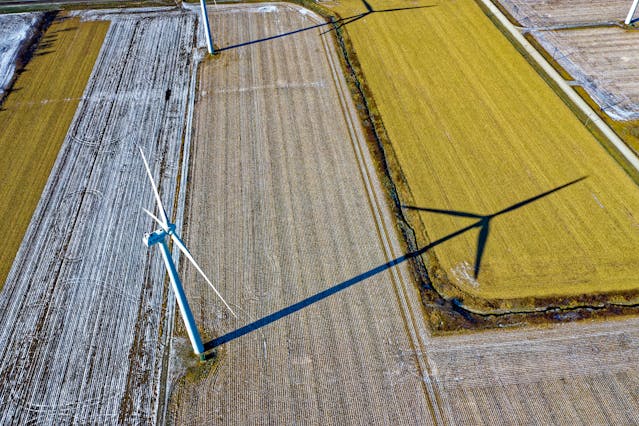
Today, among the top states for wind energy production are Texas, Iowa, Oklahoma, Kansas and North Dakota – hardly Democratic bastions. These red states are increasingly deploying renewable energy generation because it makes economic sense, creates jobs and lessens the impact of costly oil and gas market fluctuations. These states also know that domestic renewable energy contributes to the goal of U.S. energy independence.
Lawmakers on Capitol Hill are once again contemplating wholesale changes to U.S. energy policy, with some calling for a fossil fuels-only approach that would erase this clean energy progress and lock Americans into fewer and increasingly expensive choices to power our lives. Doing so would keep the U.S. dependent on the volatile, unpredictable global markets for oil and gas, and subject U.S. families to the economic fallout caused by the whims of dictators half a world away.
Ending clean energy tax credits would kill a burgeoning domestic industry that is supplying affordable, inexhaustible, U.S.-made energy that is creating jobs across the country. That’s not the future Americans want, so the NRDC Action Fund will be working with lawmakers from both parties to preserve these tax credits that are vital to our energy future.
Denis Dison is director of communications at the NRDC Action Fund.
